
Category: Partners

By collaborating with local publications, we'll provide comprehensive coverage, insightful analysis, and engaging features to empower an informed community dialogue in Greater Cleveland.

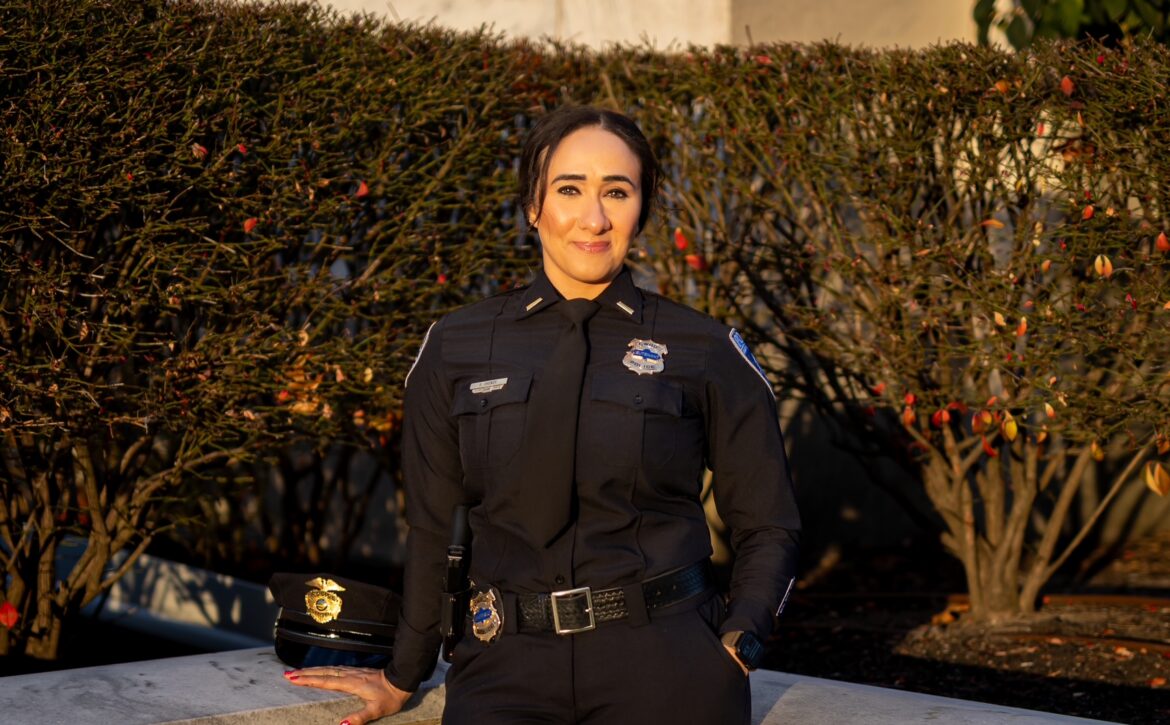
Modern Day Policing Through the Lens of Transformative Leadership

I hope that we all strive to be a symbol of hope, fairness, trust, safety, and protection. 

Symbols are strong, and they cause us to feel a certain way. Think about how people feel when they look at the American flag, a Harley-Davidson sign, a police cruiser, or, better yet, a police officer. Our presence as officers is so strong that we are bound to impact others merely by existing.

As an Officer, What Do You Symbolize?

I strive to bring peace to chaos, aid to the injured, protection to the afraid, and fairness and justice to every human being I encounter. My cruiser may come off intimidating, but I am vulnerable. My uniform may come off powerful, but we are equal. I arrive with a commanding presence to show my level of professionalism and respect. I may ask a lot of questions, but I’m also there to listen. If you dislike me, I’ll lead by example and strive to be the change you need to see. 

For survivors and victims, I show up as an advocate. For the little ones in school, I aim to encourage and mentor. For those with the intention of harming others, not today. I work tirelessly to educate myself about the different cultures, religion, and beliefs. If it’s important to you, it is now my priority. I hope to symbolize everything honorable about policing. At first glance, I want the public to know that I’ll do my best because they matter. We are both human; the only difference is, I took an oath to protect and serve. I understand that experiences and perception matter

The public perception of the police doesn’t just matter; it matter a lot.

Just like we study our surroundings, people read us as we arrive on calls and during every encounter. Are we competent and confident? Are we fit for duty? Do we have the emotional intelligence it takes to navigate an individual in crisis? How well are we reading body language, and what do we do when we sense fear coming from a small child? The beauty of it all is that dedicated officers continue to work on themselves to make sure they bring professionalism, justice, and safety to every call.

Professionalism is a must. The aspect of justice starts with us and continues in court. The talent lies in the safety piece. That’s where the magic happens between the public and the police. It is where perceptions and feelings shift, ideas are formed, and trust is built.

Officers who hold themselves to a higher standard of discipline and accountability know that how we take care of ourselves shows in how we show up, police, and talk to people. We don’t just strive to “go home at the end of the night,” we want others to feel safe in our presence. We know that how we do one thing is how we do everything; therefore, striving for excellence is a must and a daily habit.

We are the crowd that walks out of the gym at 6:00 am, trains on our days off, and signs up to be in the schools, not for the money but because we take pride in protecting America’s most vulnerable population. We are not afraid to make tough decisions, nor are we afraid of failure and making mistakes. One big telling sign that we are doing “the work” is that we are the ones taking care of each other. 

We value mental health, we check-in and listen, and we show up for each other every chance we get. On the good days and bad days.

If we operate at that baseline at home and within our department, we will operate at the same frequency when interacting with our community. Why do we continue to prioritize discipline and make endless sacrifices? We are doing the work to ensure the community feels safe with us.

The Legacy We Leave Behind

I leave you with one last thought. Did you know that the man who invented dynamite is the same man after whom the Nobel Peace Prize was named? How can that be?! Let me tell you about the fascinating and inspiring story of the Swedish chemist, Alfred Nobel.

In 1888, Alfred’s brother, Ludvig, died in France. The paper confused the details and published an obituary for Alfred himself, titling it “The Merchant of Death is Dead.” Alfred read his own obituary and was saddened by the legacy that he was to leave behind: the invention of dynamite. An invention that caused the death and destruction of people, their land, and their homes faster than anything known to man at the time.

Stunned by the reality of his contributions, Alfred decided to change the trajectory of his legacy. Instead of leaving the world one day with something that causes death and destruction, he committed to dedicating the rest of his life to peace. Alfred used his wealth, success, and intelligence to establish the “Nobel Peace Prize.” Ultimately, his goal and hope were to right the wrong and encourage others to work towards peace for mankind.

Since then, over a hundred people have been awarded the Nobel Peace Prize, including Dr. Martin Luther King Jr in 1964 for his peaceful civil rights movement. Dr. King’s legacy is also one of hope, resilience, faith, trust, and community.

As officers, we have an opportunity to pause and re-evaluate the legacy we are leaving behind.

Our last name and badge number will always elicit some kind of emotional response: love or hate? Humility or arrogance? Safety or threat? Kind or unkind? Selfless or selfish? A leader, or a follower? Such reflection calls for accountability to be present. 

Much of what we do in uniform is done in teams, on camera, and in the public eye. Easy to criticize. Some of what we do while in uniform goes undetected, unaddressed, and under the radar. Even if we never go back to that house, or never stop that car again, or never encounter the homeless man that’s always on the same corner, every individual we come across in our path will remember who we are and what we stood for.

The stories they tell are what build our legacy. We impact people’s presence without saying a single word. How we show up is how we will be remembered. What will you be remembered for?

“Carve your name on hearts, not tombstones. A legacy is etched into the minds of others and the stories they share about you.”

—Shannon Alder

Read More

Press Release: Mike Walker Officially Retires from the Partnership for a Safer Cleveland

FOR IMMEDIATE RELEASE: July 1, 2025

CLEVELAND, OH — The Partnership for a Safer Cleveland announces the official retirement of longtime Executive Director Mike Walker, effective July 1, 2025. After more than 30 years of visionary leadership and steadfast commitment to public safety, community collaboration, and youth advocacy, Walker steps down, leaving an enduring legacy of service to Greater Cleveland.


Though officially retired, Walker will remain engaged with the Partnership in an advisory capacity. His exact role moving forward is still being determined by their Board of Trustees, but his presence and input will continue to be a valued part of the organization’s work.

“Mike Walker has been the heart and conscience of the Partnership for decades,” said Judge Ronald B. Adrine (ret.), Board Chair of the Partnership for a Safer Cleveland. “His leadership helped transform the way our community approaches safety, violence prevention, and youth development. We are deeply grateful for his service and look forward to continuing to work with him in new ways.”

Throughout his tenure, Walker was a tireless advocate for building trust between communities and law enforcement, spearheading innovative violence prevention strategies, and expanding support for at-risk youth. His work has been pivotal in shaping Cleveland’s safety landscape through partnerships that prioritize equity, dignity, and long-term impact.

The Partnership for a Safer Cleveland now begins its formal search for a permanent Executive Director in 2026 and will engage in active fundraising to support this next phase of leadership and growth.

###

ABOUT THE PARTNERSHIP: Partnership for a Safer Cleveland is a collaborative, safety-centered, intermediary advocating for an end to community violence. Leveraging over 40 years as a convener and trusted partner, we serve as a critical conduit between government, law enforcement, the legal system, nonprofits, and invested citizens to advance solutions to Greater Cleveland’s most pressing safety concerns.


Contact: Doug Merritt I Executive Director I dmerritt@safercleveland.org

Read More

The Evolution of Police Training: An Interview with Lieutenant Smith & Lieutenant Hernandez

The Partnership for a Safer Cleveland recently had the opportunity to sit down with Lieutenant Shawn Smith, Officer in Charge of the Records Section and Lieutenant Jennifer Hernandez, Executive Officer of the Bureau of Support ServicesLt. Smith’s career spans almost 30 years with a deep experience in both police and military training, Both Lieutenants are incredibly passionate and open about enhancing police education, fostering community trust, and ensuring that officers are better equipped to handle real-world situations.

Training for Real-World Challenges

During our conversation, the Lieutenants emphasized how modern police training has evolved beyond classroom instruction. “You start by learning the laws and passing the test,” he said, “but each officer needs more critical thinking. The academy doesn’t always prepare officers for what they’ll face on the streets.”

To address this, Cleveland’s Police Academy has put more of an emphasis on real-world simulations that expose recruits to scenarios requiring problem-solving, de-escalation, and critical thinking. Lieutenant Smith stressed the importance of slowing down in high-stress situations. “Being able to slow down is very, very important,” he noted. “It gives officers time to assess situations and make better decisions.” These skills are learned and come from experiences, which our training programs are at the forefront of.

“Being able to slow down is very, very important,” he noted. “It gives officers time to assess situations and make better decisions.” These skills are learned and come from experience which our training programs are at the forefront of.”

Breaking Down Silos and Promoting Critical Thinking

Lieutenant Smith advocates for training that integrates multiple disciplines to prepare officers for the complexities of their work. “We’re working hard not to train in silos,” he explained. “We try to provide scenarios that combine all aspects of a situation to encourage critical thinking.” Today’s training is data-driven and community-informed, with feedback from residents helping to shape the curriculum. This approach helps officers understand the communities they serve and tailor their responses accordingly.

The Role of Technology in Modern Policing

Technology is playing an increasingly important role in police training and operations. Cleveland officers are trained to leverage tools like mobile CAD systems (Computer-Aided Dispatch) and body-worn cameras with 360-degree views. The division also uses a Learning Management System (LMS) to provide policy updates and allow officers to stay engaged with ongoing professional education.

“Police officers have to stay ahead of the curve,” Lieutenant Smith said. “Whether it’s learning how to use mobile CAD systems or understanding stress vests that help officers monitor high-stress situations, technology is helping officers make better decisions.”

Bridging the Gap Between Police & Community

Both Lieutenants highlighted the importance of building trust between officers and the communities they serve. One innovative approach that’s gained traction is the reverse ride-along, where recruits visit neighborhoods and engage directly with residents. “One of Cleveland‘s DCs, Deputy Chief Fay, has been a big advocate of this,” Lieutenant Smith said. “Bringing in the community and taking recruits to meet the people they serve—breaking bread with them—helps build real trust.”

A key takeaway from these efforts is a simple but powerful shift in perception. “I’d love to hear people say, ‘Those are our police officers,’ instead of ‘those are the police,’” Lieutenant Smith shared. “That one word—our—makes all the difference and something that I strive to convey in my trainings and how I approach our community.”

 “I’d love to hear people say, ‘Those are our police officers,’ instead of ‘those are the police,’” Lieutenant Smith shared. “That one word—our—makes all the difference and something that I strive to convey in my trainings and how I approach our community.”

Continuous Learning and Exceeding Standards

To be blunt, police training never stops. “Continuous professional education is mandated, and it happens all the time,” both Lieutenants explained. In addition to state-mandated training, Cleveland Police exceeds those requirements, currently providing well over 1,200 hours of training annually, compared to the state’s 740-hour mandate.

The Ohio Peace Officer Training Commission (OPOTC) sets forth the minimum training requirements for certification of Ohio Peace Officers. When the Commission was formed in 1965, the minimum training consisted of 120 hours of instruction. By 1973, it increased to 240 hours, and in 1987, it increased to 632 hours. As of today, it is now 740 hours.

Law Enforcement agencies throughout Ohio, including the Cleveland Division of Police, provide instruction above the minimum required by the OPOTC. Cleveland, for example, provides a 7 1/2 months training academy that provides instruction on topics unique to the city of Cleveland. Examples include General Police Orders, Civil Service Rules, Manual of Rules and Regulations, etc.

From scenario-based field training to mandated online learning through the Academy’s LMS, officers are constantly updating their skills. Additionally, the Consent Decree with the Department of Justice ensures ongoing reviews and improvements in training protocols. It is a necessary layer of review and responsibility that all officers must be aware and adhere to.

Looking into the Future

Lieutenant Smith’s commitment to improving training and building stronger community relationships reflects a deep understanding of public safety’s evolving landscape. His work ensures that Cleveland police officers are better prepared, more empathetic, and equipped to navigate the challenges of modern law enforcement.

As the Partnership for a Safer Cleveland continues its mission to strengthen public safety through collaboration, we are proud to highlight the work of leaders like Lieutenant Smith and Lieutenant Hernandez. Their vision and dedication remind us that true safety comes from well-trained officers who are dedicated to their neighbors’ needs, engaged communities that are open to relationships with police, and a commitment to continuous learning by all. 

Read More

Press Release: Mike Walker, Executive Director, Partnership for a Safer Cleveland, Announces Retirement

FOR IMMEDIATE RELEASE: March 24, 2025

The Partnership for a Safer Cleveland announces that Executive Director Mike Walker will retire from his role effective June 30, 2025, after more than 30 years of dedicated service to the organization and the Cleveland community. To ensure a seamless transition, Walker will continue as a senior advisor after his retirement.

Since joining the Partnership, Walker has been a driving force behind the organization’s efforts to promote public safety, advocate for youth development, and foster collaboration among community members, law enforcement, and elected officials. Under his leadership, the Partnership has been instrumental in advancing policies and initiatives that support safer neighborhoods, violence prevention, and equitable justice.

“For decades, Mike Walker has been a visionary leader committed to making Cleveland a safer and stronger community,” said Judge Ron Adrine (ret.), Board Chair of the Partnership for a Safer Cleveland. “His dedication and passion have left an indelible mark on our city, and we are deeply grateful for his years of service.”

Walker’s tenure has been marked by numerous accomplishments, including the implementation of innovative violence prevention strategies, fostering key partnerships between law enforcement and local organizations, and championing initiatives that provide resources and opportunities for at-risk youth.

“It has been an honor to serve Cleveland and work alongside so many dedicated individuals who are committed to making our city a safer place. While I am stepping down, I remain deeply invested in the future of our community and the ongoing efforts to create meaningful change.”

Upon Walker’s retirement, Doug Merritt, the Partnership’s Communications Director, will assume the role of Interim Executive Director from July 1 through December 31, 2025. Merritt joined the Partnership in 2023 after more than a decade of experience in the advertising industry. He is currently in Cleveland Leadership Center’s Advanced Leadership Institute as a Stokes Fellow. Prior to his full-time role, Merritt served as a Board Trustee for 4 years and was a key contributor to the Partnership’s STANCE initiative for over 20 years.

“As we move forward, I am confident that Doug’s leadership and deep understanding of our mission will guide the Partnership during this transition,” said Judge Adrine. “His passion and experience will ensure that we continue to build on the solid foundation that Mike has established.”
###

ABOUT THE PARTNERSHIP: Partnership for a Safer Cleveland is a collaborative, safety-centered, intermediary advocating for an end to community violence. Leveraging over 40 years as a convener and trusted partner, we serve as a critical conduit between government, law enforcement, the legal system, nonprofits, and invested citizens to advance solutions to Greater Cleveland’s most pressing safety concerns.


Contact: Doug Merritt I Communications Director I dmerritt@safercleveland.org

Read More

Award Announcement

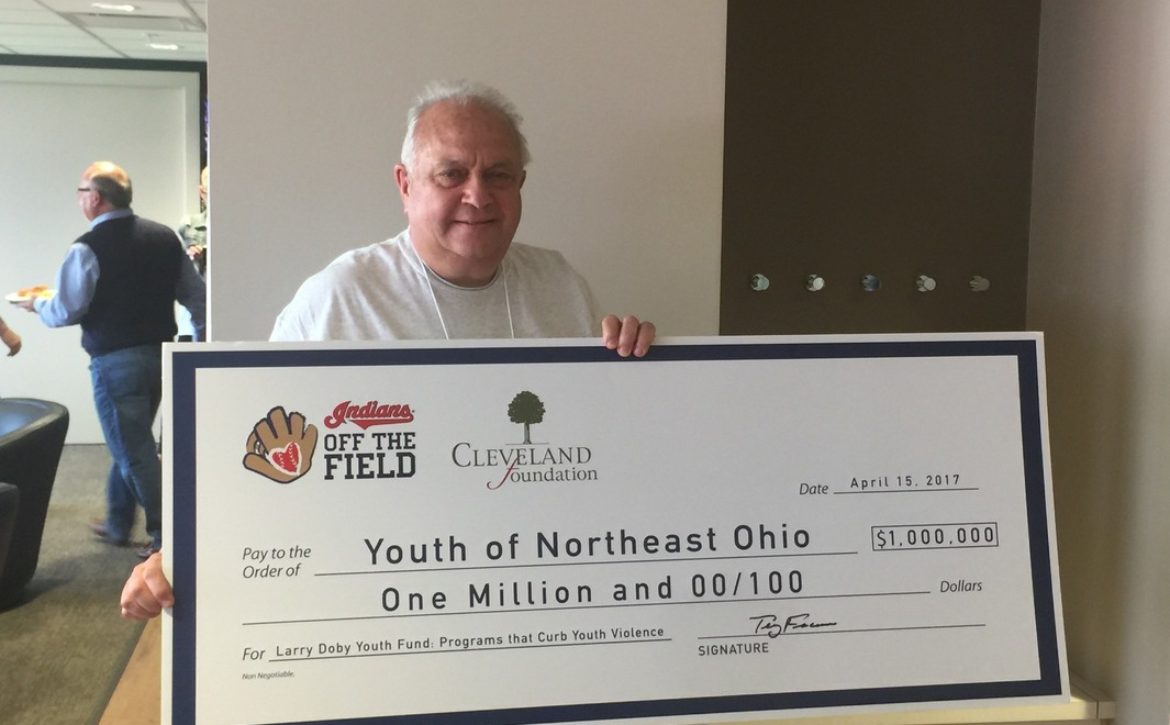
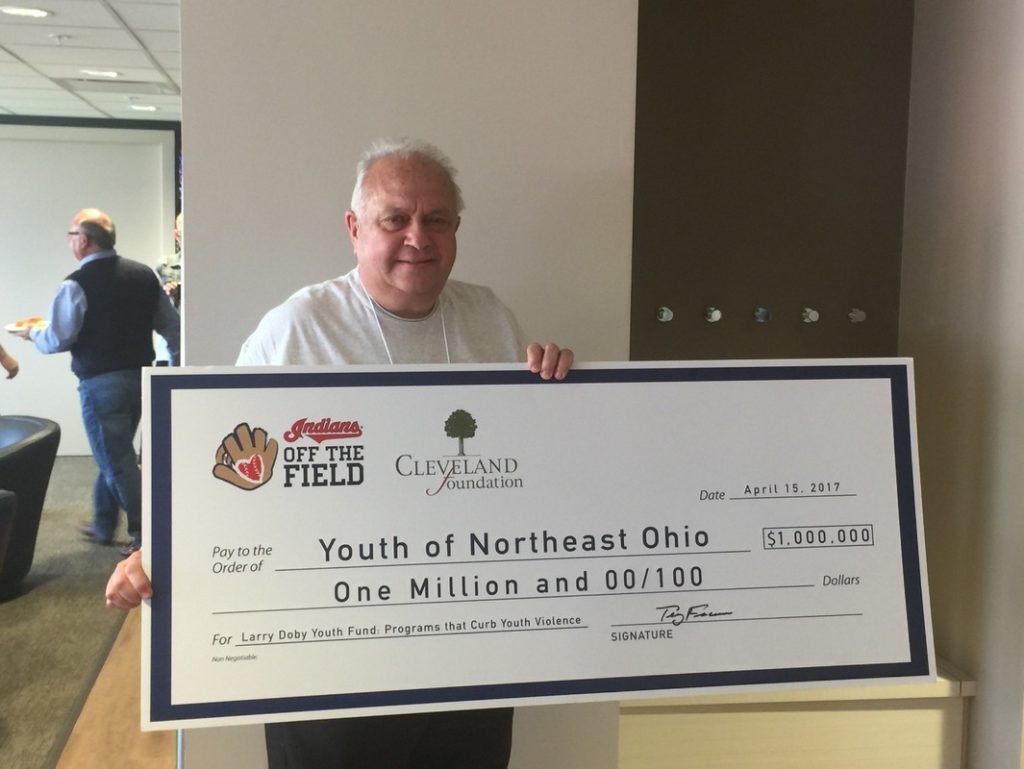
The Partnership is excited to announce that we were one of several organizations selected to receive the Larry Doby Youth Fund. We are going to use our award to create an IMPACT 25 Youth Commission! More information to follow soon. Thank you to the Cleveland Indians for this great honor!

Read More

Congratulations to the PAR Program Partners!

We are excited to share that the U.S. Department of Justice, Community Oriented Policing Services has identified the Police Assisted Referral (PAR) initiative as a Successful Practice and Strategy.

Read More