

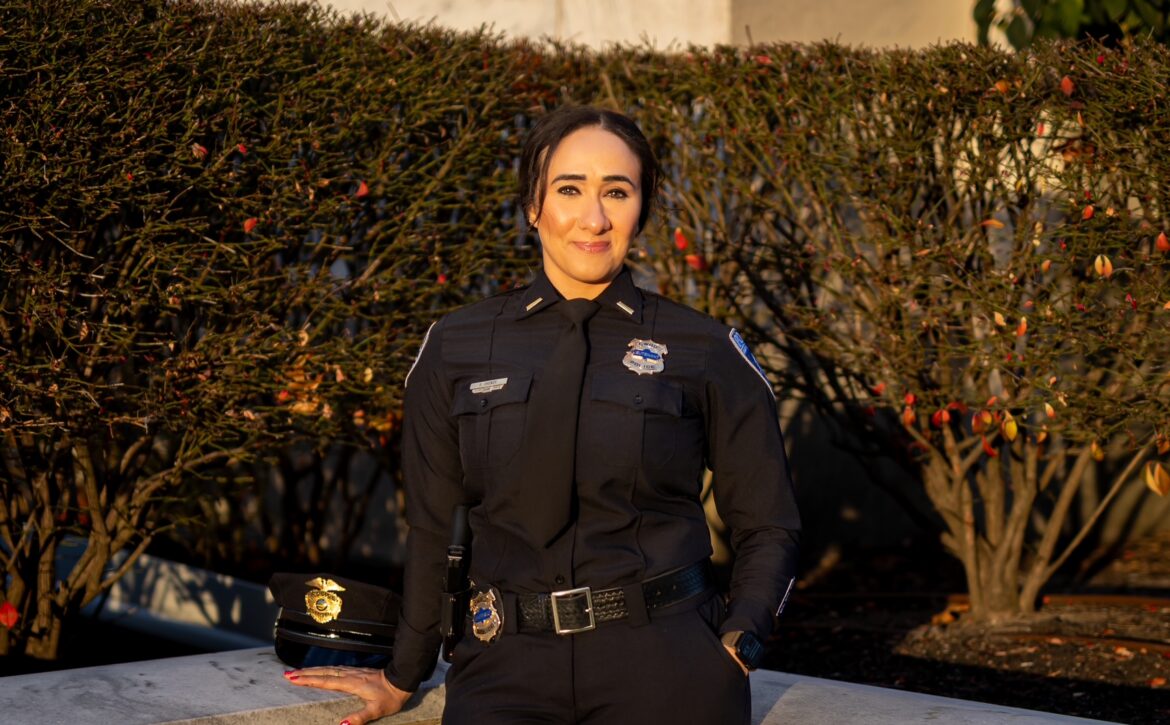
Modern Day Policing Through the Lens of Transformative Leadership
I hope that we all strive to be a symbol of hope, fairness, trust, safety, and protection.
Symbols are strong, and they cause us to feel a certain way. Think about how people feel when they look at the American flag, a Harley-Davidson sign, a police cruiser, or, better yet, a police officer. Our presence as officers is so strong that we are bound to impact others merely by existing.
As an Officer, What Do You Symbolize?
I strive to bring peace to chaos, aid to the injured, protection to the afraid, and fairness and justice to every human being I encounter. My cruiser may come off intimidating, but I am vulnerable. My uniform may come off powerful, but we are equal. I arrive with a commanding presence to show my level of professionalism and respect. I may ask a lot of questions, but I’m also there to listen. If you dislike me, I’ll lead by example and strive to be the change you need to see.
For survivors and victims, I show up as an advocate. For the little ones in school, I aim to encourage and mentor. For those with the intention of harming others, not today. I work tirelessly to educate myself about the different cultures, religion, and beliefs. If it’s important to you, it is now my priority. I hope to symbolize everything honorable about policing. At first glance, I want the public to know that I’ll do my best because they matter. We are both human; the only difference is, I took an oath to protect and serve. I understand that experiences and perception matter
The public perception of the police doesn’t just matter; it matter a lot.
Just like we study our surroundings, people read us as we arrive on calls and during every encounter. Are we competent and confident? Are we fit for duty? Do we have the emotional intelligence it takes to navigate an individual in crisis? How well are we reading body language, and what do we do when we sense fear coming from a small child? The beauty of it all is that dedicated officers continue to work on themselves to make sure they bring professionalism, justice, and safety to every call.
Professionalism is a must. The aspect of justice starts with us and continues in court. The talent lies in the safety piece. That’s where the magic happens between the public and the police. It is where perceptions and feelings shift, ideas are formed, and trust is built.
Officers who hold themselves to a higher standard of discipline and accountability know that how we take care of ourselves shows in how we show up, police, and talk to people. We don’t just strive to “go home at the end of the night,” we want others to feel safe in our presence. We know that how we do one thing is how we do everything; therefore, striving for excellence is a must and a daily habit.
We are the crowd that walks out of the gym at 6:00 am, trains on our days off, and signs up to be in the schools, not for the money but because we take pride in protecting America’s most vulnerable population. We are not afraid to make tough decisions, nor are we afraid of failure and making mistakes. One big telling sign that we are doing “the work” is that we are the ones taking care of each other.
We value mental health, we check-in and listen, and we show up for each other every chance we get. On the good days and bad days.
If we operate at that baseline at home and within our department, we will operate at the same frequency when interacting with our community. Why do we continue to prioritize discipline and make endless sacrifices? We are doing the work to ensure the community feels safe with us.
The Legacy We Leave Behind
I leave you with one last thought. Did you know that the man who invented dynamite is the same man after whom the Nobel Peace Prize was named? How can that be?! Let me tell you about the fascinating and inspiring story of the Swedish chemist, Alfred Nobel.
In 1888, Alfred’s brother, Ludvig, died in France. The paper confused the details and published an obituary for Alfred himself, titling it “The Merchant of Death is Dead.” Alfred read his own obituary and was saddened by the legacy that he was to leave behind: the invention of dynamite. An invention that caused the death and destruction of people, their land, and their homes faster than anything known to man at the time.
Stunned by the reality of his contributions, Alfred decided to change the trajectory of his legacy. Instead of leaving the world one day with something that causes death and destruction, he committed to dedicating the rest of his life to peace. Alfred used his wealth, success, and intelligence to establish the “Nobel Peace Prize.” Ultimately, his goal and hope were to right the wrong and encourage others to work towards peace for mankind.
Since then, over a hundred people have been awarded the Nobel Peace Prize, including Dr. Martin Luther King Jr in 1964 for his peaceful civil rights movement. Dr. King’s legacy is also one of hope, resilience, faith, trust, and community.
As officers, we have an opportunity to pause and re-evaluate the legacy we are leaving behind.
Our last name and badge number will always elicit some kind of emotional response: love or hate? Humility or arrogance? Safety or threat? Kind or unkind? Selfless or selfish? A leader, or a follower? Such reflection calls for accountability to be present.
Much of what we do in uniform is done in teams, on camera, and in the public eye. Easy to criticize. Some of what we do while in uniform goes undetected, unaddressed, and under the radar. Even if we never go back to that house, or never stop that car again, or never encounter the homeless man that’s always on the same corner, every individual we come across in our path will remember who we are and what we stood for.
The stories they tell are what build our legacy. We impact people’s presence without saying a single word. How we show up is how we will be remembered. What will you be remembered for?
“Carve your name on hearts, not tombstones. A legacy is etched into the minds of others and the stories they share about you.”
—Shannon Alder
