
25 Years Ago, Chief Mary Bounds Made Cleveland History
On August 27, 2001, Mary Bounds made Cleveland history.
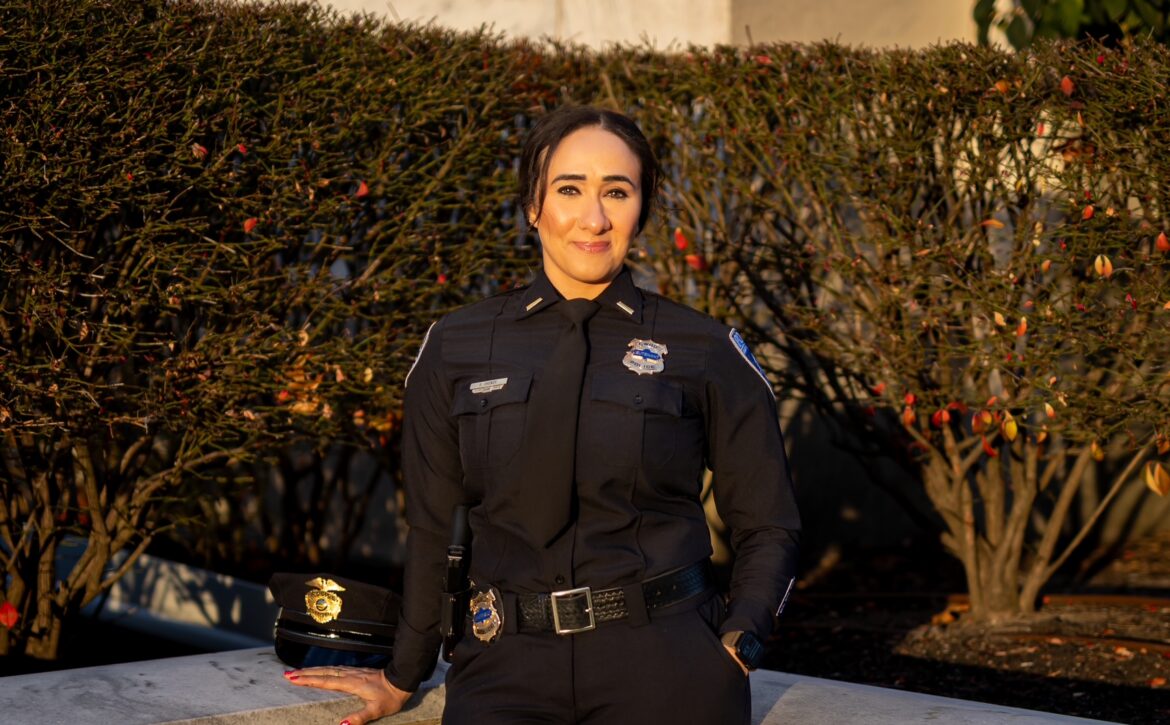
Appointed by Mayor Michael R. White to lead the Cleveland Division of Police, Bounds became the first woman and the first African American woman to serve as Cleveland’s Chief of Police. Her appointment broke a barrier that had stood throughout the Division’s history and marked an important moment for both Cleveland and the law enforcement profession.
But for those of us at the Partnership for a Safer Cleveland, Mary Bounds’ story means even more.
Chief Bounds is not simply a historic figure in Cleveland public safety. She is a valued former trustee of the Partnership, a committed community partner, and a friend who has long believed in bringing people together to make Cleveland safer.
Bounds joined the Cleveland Division of Police in 1980 and rose through its ranks during a period when women, particularly African American women, remained significantly underrepresented in law enforcement leadership. Before becoming chief, she served in several leadership positions, including Commander of the Fifth District and Deputy Chief of Administrative Operations.
When she reached the Division’s highest position in 2001, her appointment sent a powerful message about what was possible.
Her tenure as chief was relatively brief, ending in 2002 following a change in mayoral administrations, but her commitment to Cleveland and public safety continued long afterward. Throughout her career, she has remained connected to efforts involving policing, community safety, officer wellness, recruitment, and stronger relationships between law enforcement and the communities they serve.
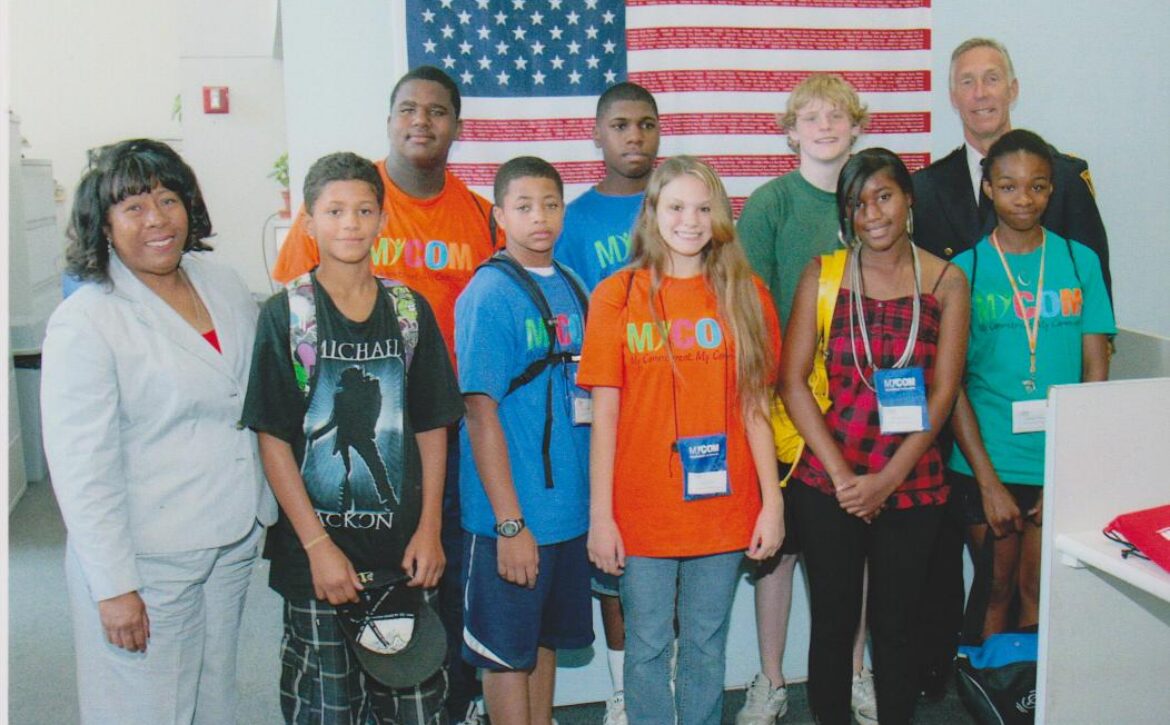
That commitment also became part of the work and history of the Partnership for a Safer Cleveland. Chief Bounds served as a PSC trustee and supported collaborative efforts aimed at strengthening both officers and the institutions responsible for public safety.
Twenty-five years later, other women have followed the path Chief Bounds helped open. But no later appointment can diminish the distinction she earned on August 27, 2001.
Mary Bounds was the first.
She demonstrated that the highest leadership position in the Cleveland Division of Police was attainable regardless of race or gender. Just as importantly, those of us who have had the privilege of knowing and working alongside Mary know that her impact extends well beyond a title or a historic first.
For me, that impact is also personal.
As Executive Director of the Partnership, I am fortunate to help carry forward an organization that Mary once helped lead as a trustee. But I am also the father of a daughter entering fifth grade, and I am proud to be able to tell Lilah about Mary Bounds, not simply because she was the first, but because of the leadership, determination, and character it took to become the first.
As a father, I want my daughter to grow up knowing that there should be no position, profession, or leadership role she considers beyond her reach. There is something particularly meaningful about being able to tell her about someone I have had the privilege of knowing personally, someone from our own community who challenged expectations, opened doors, and made history right here in Cleveland.
Perhaps that is one of the most enduring parts of Mary Bounds’ impact. The door she opened 25 years ago did not close behind her.
It remained open for the women who followed and, in its own way, for young girls like Lilah who are still discovering all that they can become.
At the Partnership for a Safer Cleveland, we are incredibly proud that Chief Mary Bounds is part of our history. Her leadership as a trustee, her commitment to public safety, and her service to Cleveland are all part of a remarkable career that continues to inspire others today.
On the 25th anniversary of her historic appointment, we celebrate Chief Mary Bounds, the history she made, the barriers she broke, and the example she continues to set for Cleveland and for the generations that follow.